For homeowners across Sonoma County, wildfire is no longer a distant possibility—it is a seasonal reality. The good news is that thoughtful landscape design and ongoing land management can dramatically reduce the risk to your home while keeping your property beautiful and ecologically alive. Defensible space is the foundation of that work.
What is defensible space?
Defensible space is the buffer you create between a structure and the grass, trees, shrubs, and wildland that surround it. In California, that space is organized into zones that extend outward from the home, each with its own goals for plant spacing, fuel reduction, and maintenance.
- Zone 0 (0–5 feet): The ember-resistant zone closest to the house, kept clear of combustible mulch, plants, and debris.
- Zone 1 (5–30 feet): Lean, clean, and green—well-irrigated, low-fuel plantings with generous spacing.
- Zone 2 (30–100 feet): Reduced fuel through thinning, limbing up trees, and breaking up continuous vegetation.
Fuel reduction without clear-cutting
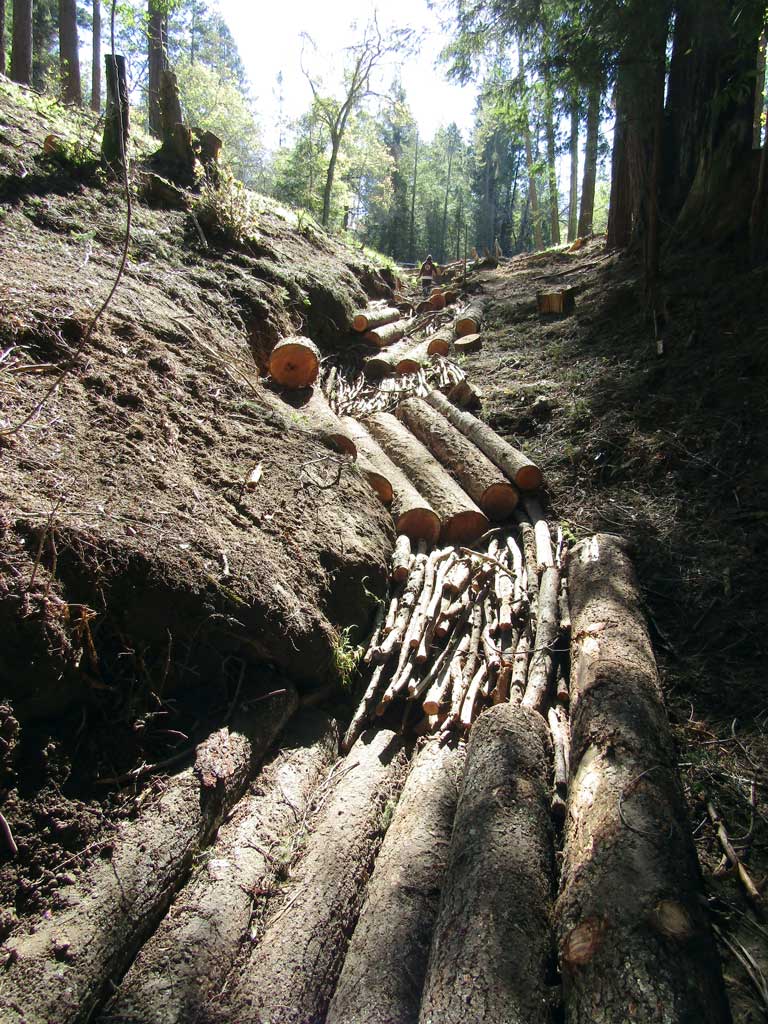
Many homeowners assume fire safety means stripping the land bare. It does not. Ecological fuel reduction thins overgrown understory, removes ladder fuels, and creates spacing between plant communities while keeping healthy trees, habitat, and soil intact. Done well, the result is a landscape that is both safer and more resilient.
A fire-wise landscape is not an empty one—it is an intentional one, where every plant has room to breathe and the land can recover quickly.
Plant choices that lower risk
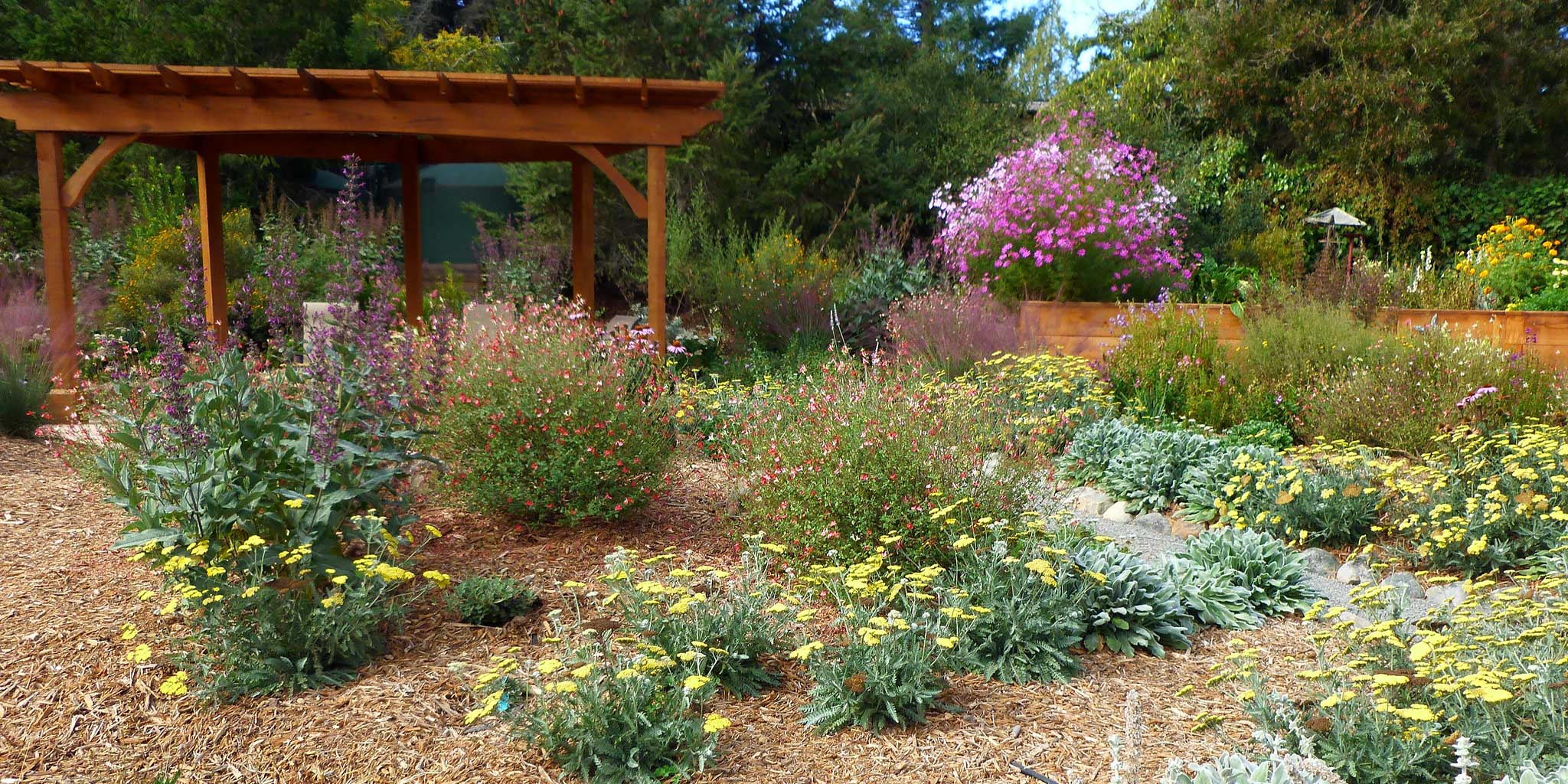
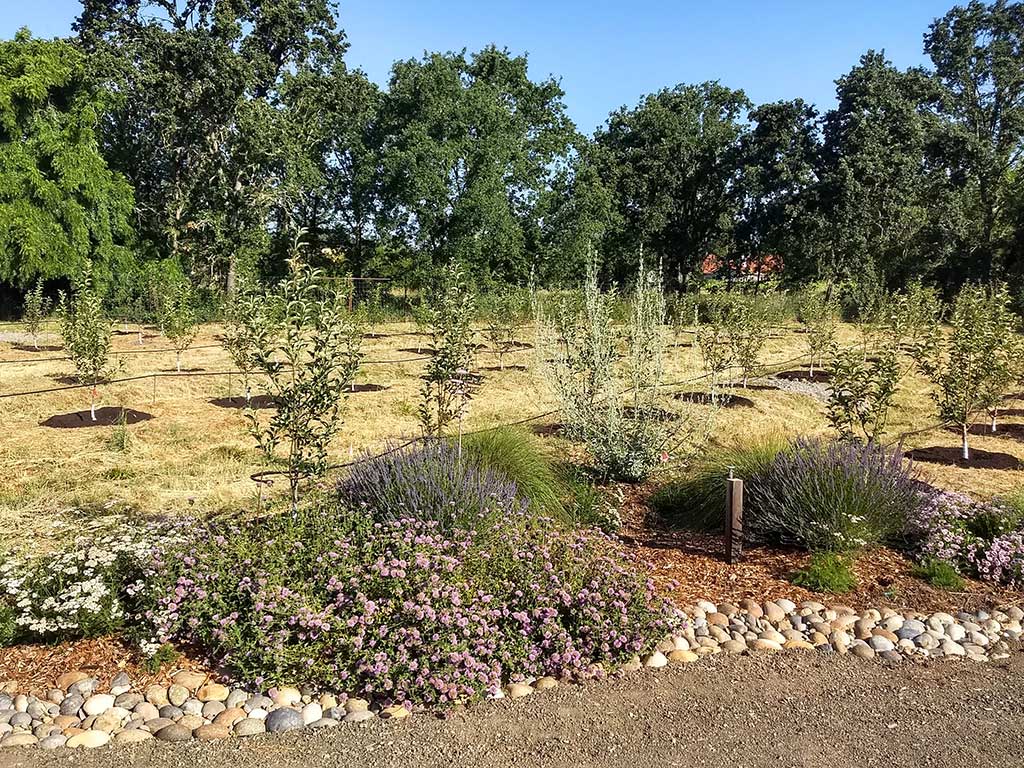
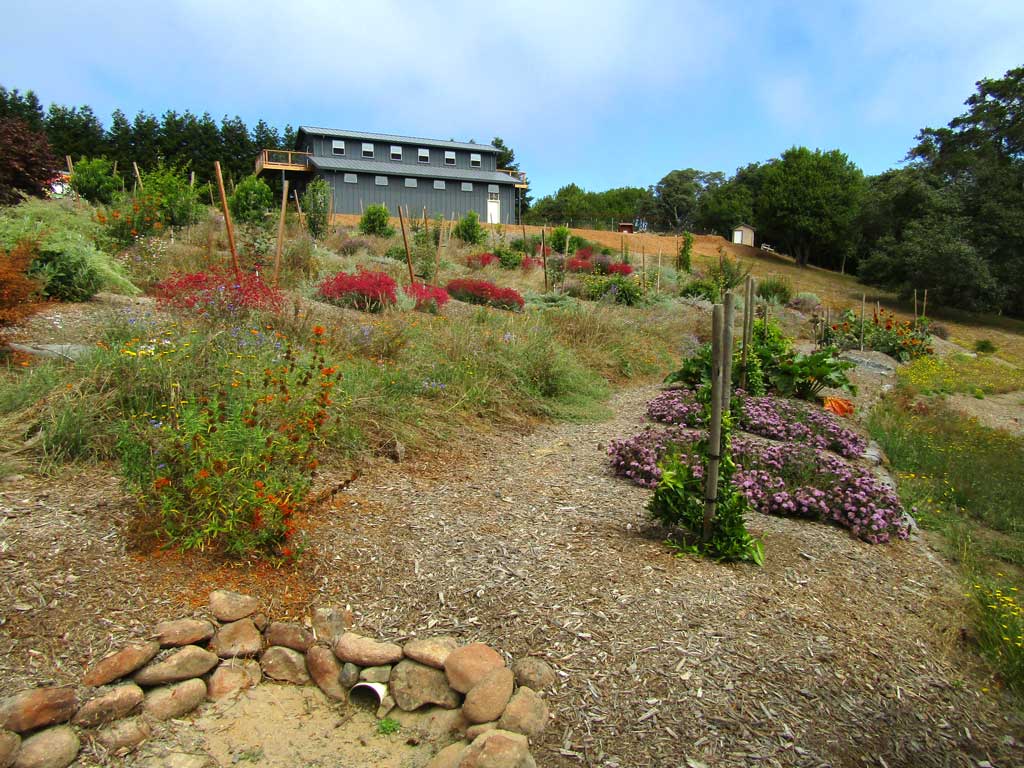
Plant selection and placement matter as much as spacing. High-moisture, low-resin natives, well-irrigated groundcovers, and carefully placed hardscape can slow a fire’s spread. We favor layered native plantings near the wildland edge and keep the most flammable species well away from structures.
If you would like a professional assessment of your property’s fire risk and a plan to address it, our fire safety and fuel reduction service begins with a walk of your land and a clear set of recommendations.